
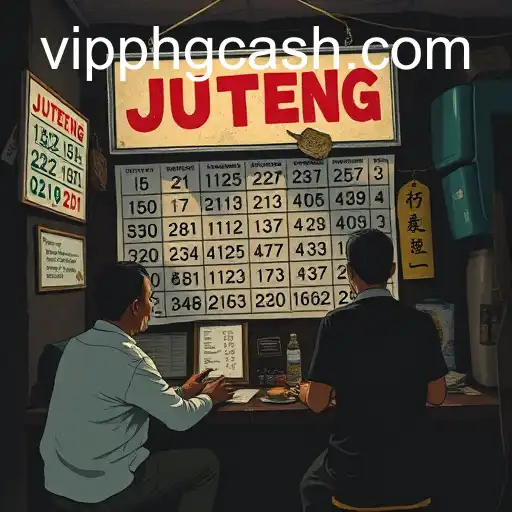
VIPPH | Jueteng: An Intricate Web of Culture, Economy, and Politics in the Philippines
VIPPH’s Explore the complex world of jueteng, an illegal numbers game in the Philippines, its socio-economic impact, and the political intricacies involved in combating this enduring practice.
Jueteng: A Deep Dive into the Shadowy World of Illegal Gambling
The Origins of Jueteng
Jueteng is a grassroots numbers game that has its roots deeply embedded in the cultural landscape of the Philippines. This clandestine activity dates back to the Spanish Colonization period. Originally from the Chinese community, jueteng has transformed over time to become a widespread form of illicit betting that permeates various societal levels. Despite its illegal status, it persists due to its simplicity and the massive economic incentive it provides both bettors and operators.
How Jueteng Works
The mechanics of jueteng are fairly straightforward, which contributes to its widespread appeal. Participants bet on a combination of numbers, usually derived from daily life occurrences, dreams, or personal superstitions. Two digits are selected, and bets are placed through a network of cobradores or collectors, who are responsible for gathering bets from the community. The winning combination is drawn at random, typically using rudimentary methods such as numbered balls or pieces of paper. Participants who correctly predict the winning pair are paid out, often at highly favorable odds compared to legal lottery systems.
The Role of Technology in Jueteng
In recent years, technology has begun to play a more significant role in jueteng operations. Mobile phones and online messaging platforms have simplified the betting process, allowing operators to expand their reach and streamline operations. Additionally, these technologies offer enhanced privacy, making it harder for authorities to track and shut down these illicit operations. This digital adaptation reflects a broader trend of illegal enterprises leveraging technology to improve efficiency and evade law enforcement.
Socioeconomic Impacts of Jueteng
Jueteng is more than just an underground numbers game; it is a multifaceted social phenomenon. Many Filipinos, especially those in rural and economically disadvantaged areas, view it as a source of hope and potential financial relief. The promise of a significant payout motivates continuous participation, despite the low odds of winning. This creates a form of economic cycle within communities, where money changes hands and, at times, even directly impacts local economies.
The economic benefits of jueteng, however, come at a cost. The industry is often controlled by syndicates and criminal organizations, leading to a myriad of issues, including corruption and violence. Local law enforcement officials and politicians are frequently alleged to be complicit in jueteng operations, receiving bribes in exchange for protecting illegal operations. This contributes to a culture of impunity, undermining public trust in institutions and perpetuating economic inequality.
Political Dimensions
Jueteng's pervasive influence extends into the political realm, affecting elections and policy making. There have been numerous instances where candidates for public office have been accused or proven to have used jueteng money to fund their campaigns. Once elected, these officials may feel beholden to jueteng operators, resulting in legislation or policies that favor these illicit interests.
Efforts to Combat Jueteng
The Philippine government has implemented various measures to combat jueteng, including crackdowns and legal reforms. Law enforcement agencies periodically conduct raids and arrests, yet these efforts often result in temporary disruptions rather than permanent solutions. The resilience of jueteng highlights the challenges faced by regulators in curtailing widespread cultural and economic phenomena that offer immediate financial gain, especially in regions burdened by poverty.
Furthermore, the issue is further complicated by the nuanced relationship between jueteng and local communities. Many citizens are ambivalent about government interventions that threaten their source of livelihood and entertainment. There have been propositions to legalize and regulate jueteng, which supporters argue could lead to increased government revenue and better control over the practice.
Case Studies: Jueteng in Action
Examining specific regions within the Philippines reveals the complexity of jueteng's integration into local customs and economies. In certain provinces, jueteng operators provide vital social services, positioning themselves as community benefactors. This arrangement creates a form of tacit social contract, where communities tolerate illegal activities in exchange for tangible benefits, such as financial assistance and sponsorship of local events.
The Legal Landscape
Jueteng presents a significant challenge for the Philippine legal system. Illegal gambling laws are in place, but enforcement is inconsistent and often hindered by systemic corruption. Efforts to strengthen the legal framework have been met with resistance from various stakeholders with vested interests in the continuation of the status quo.
The Philippine Amusement and Gaming Corporation (PAGCOR) serves as the government body responsible for licensing and regulating all forms of gambling in the country. However, the gap between legal frameworks and operational realities remains stark, illustrating the difficulties faced in regulating traditional practices and societal norms.
The Future of Jueteng
The persistence of jueteng raises questions about the future of gambling in the Philippines. As technology continues to evolve and economic conditions change, the game could transform in unpredictable ways. While regulatory measures will likely continue to be implemented, the effectiveness of these policies in combating deeply ingrained cultural practices remains uncertain.
Ultimately, addressing the root causes that drive individuals to participate in illegal gambling, such as poverty and lack of economic opportunities, is essential. By fostering an environment that supports legal, regulated alternatives while promoting economic development, the government could potentially diminish the hold that jueteng and similar activities have on Filipino society.
